Ingredients
For the Keto Biscuit Base
- 2 cups (200 g) almond flour
- ¼ cup (50 g) granulated keto-friendly sweetener
- ½ teaspoon baking powder
- ¼ teaspoon salt
- 5 tablespoons (70 g) unsalted butter, melted
- 1 teaspoon vanilla extract
- 1 large egg
For the Cheesecake Filling
- 24 oz (680 g) full-fat cream cheese, softened
- ¾ cup (150 g) granulated keto-friendly sweetener
- ¾ cup (180 g) full-fat sour cream
- 3 large eggs, room temperature
- 2 teaspoons vanilla extract
- 1 tablespoon fresh lemon juice
- 1 teaspoon finely grated lemon zest
- 2 tablespoons heavy cream
- 1 tablespoon almond flour, optional
Optional Toppings
- Fresh strawberries or raspberries
- Unsweetened whipped cream
- Sugar-free chocolate shavings
- Chopped toasted almonds
- Unsweetened coconut flakes
Instructions
1. Prepare the Oven and Pan
Preheat the oven to 325°F (165°C).
Use a 9-inch springform pan.
Lightly grease the bottom and sides of the pan. Line the bottom with parchment paper if desired.
For easier cleanup and removal, you can also wrap the outside of the springform pan with aluminum foil if using a water bath.
2. Make the Biscuit Base
In a large bowl, combine the almond flour, keto-friendly sweetener, baking powder, and salt.
Whisk the dry ingredients until evenly distributed.
Add the melted butter, vanilla extract, and egg.
Stir until the ingredients form a soft, slightly crumbly dough.
The mixture should hold together when pressed between your fingers. If it seems unusually dry, add another teaspoon of melted butter.
3. Press the Base Into the Pan
Transfer the dough to the prepared springform pan.
Press it firmly and evenly across the bottom of the pan using your fingertips or the flat bottom of a glass.
Try to create an even layer so the base bakes uniformly.
For a thicker crust, you can gently press some of the mixture slightly up the sides.
4. Bake the Base
Place the crust in the preheated oven.
Bake for approximately 10–12 minutes, or until the edges become lightly golden.
Remove it from the oven and allow it to cool for approximately 10 minutes.
Don’t worry if the base seems slightly soft when it first comes out. It will firm up as it cools.
5. Prepare the Cream Cheese
While the crust cools, prepare the filling.
Place the softened cream cheese in a large mixing bowl.
Beat on low to medium speed until completely smooth.
Scrape down the sides of the bowl as necessary.
Avoid using high speed because excessive air incorporated into the mixture can cause the cheesecake to puff and crack during baking.
6. Add the Sweetener
Add the keto-friendly sweetener gradually.
Mix on low speed until smooth and well combined.
Taste the mixture if your chosen sweetener is safe to taste raw and adjust the sweetness according to your preference.
Different sugar substitutes vary considerably in sweetness, so follow the conversion guidelines for the particular product you’re using.
7. Add the Sour Cream and Flavorings
Add the sour cream, heavy cream, vanilla extract, lemon juice, and lemon zest.
Mix gently until smooth.
If using almond flour, add it now and mix until just incorporated.
The lemon juice adds a small amount of acidity that helps balance the richness of the cream cheese.
8. Add the Eggs
Add the eggs one at a time.
Mix on low speed after each addition, stopping as soon as the egg disappears into the batter.
Do not overmix.
The finished batter should be smooth, creamy, and relatively thick.
9. Pour the Filling Over the Crust
Pour the cheesecake mixture over the cooled biscuit base.
Smooth the top with a spatula.
Gently tap the pan against the countertop once or twice to release large air bubbles.
Avoid excessive tapping because the crust may loosen.
10. Bake the Cheesecake
Place the springform pan in the oven.
For an especially creamy texture, place it inside a larger roasting pan and carefully add hot water around it to create a water bath.
Bake at 325°F (165°C) for approximately 55–70 minutes.
The edges should be set, while the center should still have a gentle wobble.
Don’t wait for the entire cheesecake to become firm in the oven. It will continue setting as it cools.
11. Cool Gradually
Turn off the oven and leave the cheesecake inside with the oven door slightly open for approximately 30–45 minutes.
Gradual cooling reduces the likelihood of cracking.
Remove the cheesecake from the oven and allow it to cool completely at room temperature.
12. Refrigerate
Once completely cool, cover the cheesecake and refrigerate for at least 6 hours.
For the best texture, refrigerate it overnight.
This resting period allows the filling to firm up while maintaining its creamy consistency.
13. Remove From the Pan
When ready to serve, carefully run a thin knife around the edge of the cheesecake.
Release the springform pan.
Transfer the cheesecake to a serving plate.
If the base is firmly attached, slide a thin spatula underneath before transferring it.
14. Add Toppings
The cheesecake is delicious on its own, but toppings can make it even more special.
Add a few fresh strawberries or raspberries, unsweetened whipped cream, toasted almonds, or sugar-free chocolate shavings.
For a simple finish, leave the cheesecake plain and sprinkle a small amount of grated lemon zest over the top.
Tips for a Creamy Keto Cheesecake
Use softened cream cheese. Cold cream cheese can create lumps.
Don’t overmix. Too much air can cause the cheesecake to rise and fall.
Use room-temperature eggs. They blend more smoothly into the cream cheese mixture.
Don’t overbake. A slight wobble in the center is desirable.
Cool slowly. Gradual cooling helps minimize cracks.
Chill thoroughly. The cheesecake needs several hours to reach its proper texture.
Choosing a Keto Sweetener
Several low-carb sweeteners can work in cheesecake, including erythritol-based blends, allulose, and monk-fruit blends.
Keep in mind that they behave differently.
Some erythritol-heavy sweeteners can produce a slightly cooling sensation or become firmer when refrigerated. Allulose generally remains softer and can produce a texture closer to traditional sugar, although it may brown more readily.
Use the manufacturer’s recommended sugar-equivalent conversion rather than automatically substituting the same volume.
Flavor Variations
Keto Chocolate Cheesecake
Add ¼ cup unsweetened cocoa powder to the filling and use a little extra heavy cream if needed.
Lemon Cheesecake
Increase the lemon zest and juice slightly for a bright citrus flavor.
Berry Cheesecake
Serve the chilled cheesecake with a small amount of fresh raspberries or strawberries.
Peanut Butter Cheesecake
Add ½ cup unsweetened natural peanut butter to the filling. Choose a peanut butter without added sugar.
Coconut Cheesecake
Add unsweetened shredded coconut to the crust and a small amount of coconut extract to the filling.
Chocolate Almond Cheesecake
Add unsweetened cocoa powder to the filling and chopped toasted almonds to the crust.
Storage
Keep the cheesecake covered and refrigerated.
For best quality, consume it within approximately 3–4 days.
Individual slices can be wrapped tightly and frozen for up to approximately 2 months.
To serve, thaw frozen slices overnight in the refrigerator.
Frequently Asked Questions
Can I make the crust without almond flour?
Yes. A mixture based on finely ground pecans or another suitable low-carb nut flour can be used, although the texture and flavor will change.
Why did my cheesecake crack?
Overbaking, excessive mixing, or rapid cooling can contribute to cracks. A water bath and gradual cooling can help.
Why is my cheesecake too soft?
It may simply need more chilling time. Cheesecake becomes considerably firmer after several hours in the refrigerator.
Can I make this without a water bath?
Yes. A water bath isn’t essential, although it can help the cheesecake bake more gently and evenly.
Is this cheesecake completely carbohydrate-free?
No. Cream cheese, sour cream, almond flour, and other ingredients contain some carbohydrates. The recipe is designed to be lower in carbohydrates than a traditional cheesecake, but the exact carbohydrate content depends on the brands and sweeteners used.
Final Thoughts
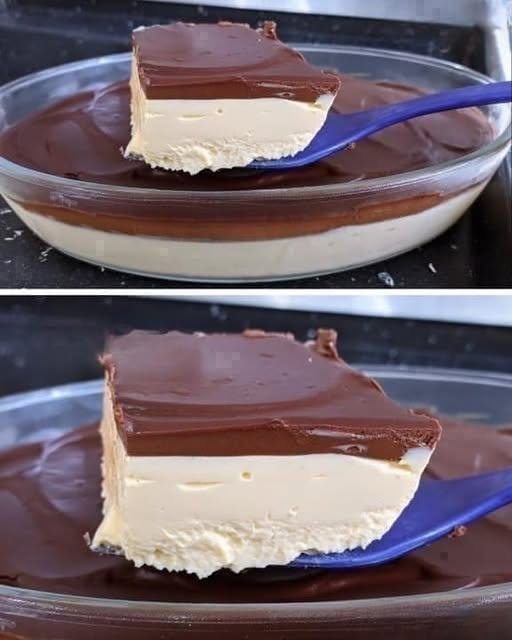
This Keto Creamy Cheesecake with Biscuit Base is a luxurious dessert that doesn’t require traditional wheat flour or granulated sugar. The almond-flour crust provides a buttery, biscuit-like foundation, while the cream cheese and sour cream create a smooth, rich filling.
For the best results, use softened ingredients, mix gently, avoid overbaking, and give the finished cheesecake plenty of time to chill. Fresh berries, whipped cream, nuts, or sugar-free chocolate can be added according to your preference.
Whether you’re following a low-carb eating plan or simply looking for a delicious cheesecake with a nutty biscuit base, this recipe makes an impressive homemade dessert for almost any occasion.
Prep time: 30 minutes
Bake time: 55–70 minutes
Cooling and chilling: At least 6½ hours
Total time: Approximately 7½–8 hours
Servings: 10–12
Difficulty: Intermediate

