High-Protein Gluten-Free Sourdough Carrot Cake (Low-Calorie Version)
If you love carrot cake but want something higher in protein, lighter in calories, naturally fermented, and completely gluten-free, this recipe delivers all four goals. The sourdough discard adds depth of flavor and moisture, while protein-rich ingredients such as Greek yogurt, egg whites, and protein powder help create a satisfying cake that works as breakfast, a snack, or a healthier dessert.
Unlike traditional carrot cake, which can easily exceed 500 calories per slice due to large amounts of oil, sugar, and cream cheese frosting, this version significantly reduces calories while maintaining a moist texture and classic carrot cake flavor.
Why This Recipe Works
Most carrot cakes rely on:
- Large amounts of vegetable oil
- White flour
- Refined sugar
- Heavy cream cheese frosting
This healthier version uses:
- Gluten-free sourdough discard
- Grated carrots for moisture
- Nonfat Greek yogurt
- Egg whites
- Protein powder
- Moderate sweetener
- Light yogurt cream cheese frosting
The result is a cake with:
- Approximately 11–13 grams protein per slice
- Around 180–220 calories per slice
- Gluten-free ingredients
- Less sugar than traditional carrot cake
- Pleasant tanginess from sourdough fermentation
Yield
12 slices
Estimated Nutrition Per Slice
Approximate values:
- Calories: 190–210
- Protein: 12 g
- Carbohydrates: 18 g
- Fat: 7 g
- Fiber: 3 g
Nutrition varies depending on the protein powder and sweetener used.
Ingredients
For the Gluten-Free Sourdough Starter
You will need:
- 200 g gluten-free sourdough discard (100% hydration)
A gluten-free starter made from:
- Brown rice flour
- Sorghum flour
- Oat flour (certified gluten-free)
works particularly well.
The discard should be unfed or recently fed and bubbly.
Dry Ingredients
- 120 g oat flour (certified gluten-free)
- 60 g almond flour
- 40 g vanilla whey protein powder
- 1 teaspoon baking powder
- ½ teaspoon baking soda
- 1 teaspoon cinnamon
- ½ teaspoon nutmeg
- ¼ teaspoon ginger
- ¼ teaspoon salt
Wet Ingredients
- 200 g gluten-free sourdough discard
- 200 g nonfat Greek yogurt
- 3 large egg whites
- 1 whole egg
- 80 g granular monk fruit sweetener or erythritol blend
- 40 g light brown sugar
- 60 ml unsweetened applesauce
- 30 ml avocado oil
- 1 teaspoon vanilla extract
Carrot Mixture
- 250 g finely grated carrots
- 30 g chopped walnuts (optional)
- 20 g raisins (optional)
For the lowest-calorie version, omit raisins and walnuts.
Light Protein Cream Cheese Frosting
Ingredients
- 200 g reduced-fat cream cheese
- 150 g nonfat Greek yogurt
- 30 g vanilla protein powder
- 40 g powdered monk fruit sweetener
- 1 teaspoon vanilla extract
- 1 tablespoon lemon juice
Equipment
- 8-inch round cake pan
- Mixing bowls
- Box grater
- Whisk
- Silicone spatula
- Kitchen scale (recommended)
- Cooling rack
Preparation
Step 1: Prepare the Pan
Preheat oven to:
175°C (350°F)
Grease an 8-inch cake pan lightly.
Line the bottom with parchment paper.
This helps the cake release easily because gluten-free batters can be delicate.
Step 2: Prepare the Dry Ingredients
In a large bowl combine:
- Oat flour
- Almond flour
- Protein powder
- Baking powder
- Baking soda
- Cinnamon
- Nutmeg
- Ginger
- Salt
Whisk thoroughly.
Protein powder can create lumps, so break them up completely.
Set aside.
Step 3: Mix the Wet Ingredients
In another bowl whisk together:
- Sourdough discard
- Greek yogurt
- Egg whites
- Whole egg
- Sweetener
- Brown sugar
- Applesauce
- Oil
- Vanilla
Continue whisking until smooth.
The mixture should look creamy and uniform.
The sourdough discard contributes acidity that reacts with the baking soda, helping the cake rise despite being gluten-free.
Step 4: Add the Carrots
Fold in:
- Grated carrots
If using them, also add:
- Walnuts
- Raisins
Mix gently until evenly distributed.
Freshly grated carrots are strongly recommended because packaged shredded carrots are often too dry and coarse.
Step 5: Combine Wet and Dry Ingredients
Add the dry mixture to the wet mixture.
Using a spatula, fold carefully until just combined.
Do not overmix.
Because there is no gluten to develop, overmixing is less problematic than with wheat flour, but excessive stirring can still create a dense cake due to protein powder.
The batter should be thick but spreadable.
If it appears excessively thick, add:
- 1–2 tablespoons milk
Step 6: Rest the Batter
Allow the batter to rest for:
10–15 minutes
This gives:
- Oat flour time to hydrate
- Better moisture retention
- Improved texture
This small step makes a noticeable difference in gluten-free baking.
Step 7: Bake
Transfer batter into the prepared pan.
Smooth the surface.
Bake for:
32–38 minutes
Check doneness by inserting a toothpick into the center.
The toothpick should emerge with only a few moist crumbs.
Internal temperature should be approximately:
96–98°C (205–208°F)
Avoid overbaking because protein powder dries out quickly.
Step 8: Cool Completely
Allow cake to cool in the pan:
15 minutes
Then transfer to a cooling rack.
Cool completely before frosting.
Attempting to frost a warm cake will cause the frosting to melt.
Preparing the Protein Frosting
While the cake cools, prepare the frosting.
In a bowl combine:
- Reduced-fat cream cheese
- Greek yogurt
- Protein powder
- Sweetener
- Vanilla
- Lemon juice
Beat until smooth.
If frosting appears too thick:
- Add 1 tablespoon milk
If too thin:
- Add a little extra protein powder
Refrigerate for 20–30 minutes before using.
This improves spreadability and structure.
Frosting the Cake
Spread frosting evenly over the cooled cake.
For a decorative finish, sprinkle with:
- Cinnamon
- Finely chopped walnuts
- Grated carrot ribbons
Keep toppings light to maintain the lower-calorie profile.
Optional Layer Cake Version
For a taller presentation:
Divide batter between two 8-inch pans.
Reduce baking time to:
24–28 minutes
Cool completely.
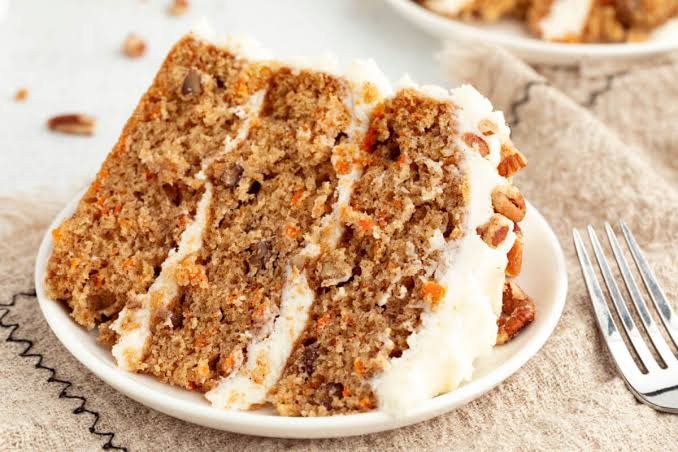
Spread half the frosting between layers and the remaining frosting on top.
This creates a classic carrot cake appearance while keeping calories reasonable.
Storage
Refrigerator
Store covered for:
4–5 days
Because of the yogurt and cream cheese frosting, refrigeration is recommended.
Freezer
Freeze slices individually for:
Up to 3 months
Wrap tightly in plastic wrap and place in an airtight container.
Thaw overnight in the refrigerator.
Tips for Maximum Protein
To push protein content even higher:
- Use whey isolate instead of standard whey concentrate.
- Add an extra egg white.
- Use high-protein Greek yogurt.
- Include collagen peptides (20 g) in the batter.
- Increase protein powder to 50–60 g total.
If increasing protein powder significantly, add extra milk to maintain moisture.
Tips for Keeping Calories Low
To reduce calories further:
- Replace brown sugar with additional monk fruit sweetener.
- Omit raisins.
- Omit walnuts.
- Use fat-free cream cheese.
- Use only applesauce and eliminate oil.
These changes can reduce calories by roughly 20–30 per slice while preserving most of the flavor.
Flavor Variations
Pineapple Carrot Cake
Add:
- 100 g crushed pineapple, drained
Reduce applesauce slightly.
This creates a sweeter, more tropical flavor.
Spiced Carrot Cake
Increase:
- Cinnamon to 2 teaspoons
- Nutmeg to 1 teaspoon
Add:
- Pinch of cloves
Orange Carrot Cake
Add:
- Zest of one orange
The citrus complements the sourdough tang beautifully.
Coconut Carrot Cake
Fold in:
- 20 g unsweetened shredded coconut
This adds texture without dramatically increasing calories.
Final Notes
This gluten-free sourdough carrot cake strikes a balance between nutrition and indulgence. The sourdough discard contributes complexity and moisture, the Greek yogurt and protein powder boost protein, and the reduced sugar and fat keep calories in check. The finished cake is tender, lightly spiced, pleasantly tangy, and satisfying enough to serve as a post-workout snack, breakfast treat, or healthier dessert. With approximately 12 grams of protein per slice and far fewer calories than traditional carrot cake, it offers a practical way to enjoy classic carrot cake flavors while supporting higher-protein eating goals.