Ingredients
For the crust:
- 1½ cups finely crushed digestive biscuits or graham crackers
- 5 tablespoons unsalted butter, melted
- 2 tablespoons granulated sugar
- A small pinch of salt
For the cheesecake filling:
- 450 grams (1 pound) whole-milk ricotta cheese
- 225 grams (8 ounces) cream cheese, softened
- ½ cup sourdough starter or sourdough discard
- ¾ cup granulated sugar
- 3 large eggs
- 1 teaspoon vanilla extract
- 1 tablespoon lemon zest
- 1 tablespoon orange zest
- 2 tablespoons fresh lemon juice
- 2 tablespoons all-purpose flour
- ¼ teaspoon salt
For serving:
- Powdered sugar
- Fresh berries or sliced fruit
- Lemon or orange zest
- Optional honey for drizzling
For the best results, use sourdough starter that is active or recently fed, although unfed sourdough discard also works well in this recipe. The starter should have a pleasant, mildly tangy smell rather than an unpleasant or spoiled odor.
Preparing the Ricotta
Ricotta contains a significant amount of moisture, so draining it before making the cheesecake is an important step.
Place the ricotta in a fine-mesh strainer lined with cheesecloth or a clean kitchen towel. Allow it to drain over a bowl for at least one to two hours in the refrigerator. If your ricotta is particularly wet, you can drain it for longer.
Removing excess moisture helps create a thicker, creamier cheesecake filling and reduces the chance of a watery texture.
Once drained, transfer the ricotta to a large mixing bowl.
Making the Crust
Preheat your oven to 175°C (350°F).
In a medium bowl, combine the crushed biscuits, melted butter, sugar, and salt. Mix until the crumbs are evenly coated and resemble damp sand.
Press the mixture firmly into the bottom of a 9-inch springform pan. Use the bottom of a glass or measuring cup to create an even, compact layer.
Bake the crust for approximately 8 to 10 minutes, then remove it from the oven and allow it to cool slightly.
You can also make this cheesecake without a crust if you prefer a more traditional rustic Italian presentation. However, the buttery biscuit crust provides a pleasant contrast to the creamy filling.
Preparing the Cheesecake Filling
In a large mixing bowl, beat the softened cream cheese until smooth. Add the drained ricotta and mix until the two cheeses are well combined.
Add the granulated sugar and beat gently until incorporated. Avoid whipping the mixture excessively because incorporating too much air can cause the cheesecake to puff significantly during baking and then collapse as it cools.
Add the sourdough starter, vanilla extract, lemon zest, orange zest, and lemon juice. Mix gently until everything is evenly incorporated.
The citrus zest is particularly important because it gives the cheesecake a fresh, aromatic flavor that balances the richness of the cheese.
Add the eggs one at a time, mixing on low speed after each addition. Stop mixing as soon as each egg is incorporated.
Finally, add the flour and salt. Mix just until combined.
Filling the Pan
Pour the cheesecake mixture over the slightly cooled crust. Smooth the surface with a spatula.
Gently tap the pan against the counter once or twice to release any large air bubbles.
Place the springform pan on a baking sheet. This makes it easier to transfer into and out of the oven and also catches any butter or moisture that may escape from the pan.
Baking the Cheesecake
Bake the cheesecake at 175°C (350°F) for approximately 50 to 65 minutes.
The edges should look set, while the center should still have a gentle wobble when the pan is carefully moved.
Do not wait for the entire cheesecake to become completely firm in the oven. Cheesecake continues to set as it cools, and overbaking can result in a dry or cracked filling.
If the top begins browning too quickly, loosely cover it with aluminum foil during the final portion of baking.
Once finished, turn off the oven and leave the cheesecake inside with the door slightly open for approximately 20 to 30 minutes. This gradual cooling can help reduce sudden temperature changes.
Cooling and Chilling
Remove the cheesecake from the oven and place it on a cooling rack.
Allow it to cool completely at room temperature. Once cooled, cover it and refrigerate it for at least four hours, preferably overnight.
This chilling period is essential because it allows the filling to fully set and makes slicing much easier.
For the cleanest slices, use a sharp knife dipped in warm water and wiped dry between cuts.
Serving the Cheesecake
Before serving, remove the cheesecake from the refrigerator and carefully release it from the springform pan.
Dust the top lightly with powdered sugar. Add fresh berries, citrus zest, or thinly sliced fruit for decoration.
A small drizzle of honey can also complement the tangy sourdough and creamy cheese.
The cheesecake can be served cold or allowed to sit at room temperature for approximately 15 to 20 minutes before serving. Allowing it to warm slightly makes the texture softer and brings out the flavors.
Tips for the Best Sourdough Italian Cheesecake
The first important tip is to drain the ricotta thoroughly. Excess moisture is one of the biggest causes of a soft or watery cheesecake.
Use room-temperature cream cheese and eggs. Ingredients that are too cold may not combine evenly and can encourage overmixing.
Do not overmix the filling after adding the eggs. A smooth filling is desirable, but excessive mixing incorporates air, which can contribute to cracking.
The sourdough starter should be measured by weight if possible for consistent results. A mature starter with a pleasant tang works especially well.
Citrus zest should be finely grated so it distributes evenly throughout the filling. Avoid grating too deeply into the white pith of the citrus because it can taste bitter.
Most importantly, allow the cheesecake to cool completely before slicing. Cutting it while warm can result in a filling that has not fully set.
Variations
There are many ways to customize this cheesecake.
For a chocolate version, add a small amount of melted dark chocolate to the filling and reduce the sugar slightly if desired.
For an almond variation, add almond extract and use crushed amaretti cookies instead of digestive biscuits for the crust.
A berry version can be made by serving the cheesecake with a homemade berry compote.
You can also create a more distinctly Italian flavor by adding finely chopped candied orange peel to the filling.
For a crustless version, simply grease the springform pan thoroughly and pour the filling directly into it. This creates a softer, more rustic cheesecake that allows the ricotta and citrus flavors to take center stage.
Storage
Store the finished cheesecake covered in the refrigerator. It is best consumed within several days for optimal flavor and texture.
Individual slices can also be placed in airtight containers. If you want to freeze the cheesecake, wrap individual portions securely and thaw them slowly in the refrigerator before serving.
Final Thoughts
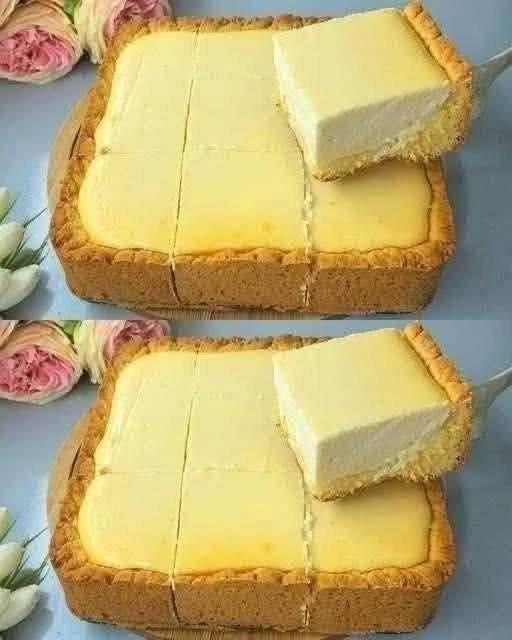
Sourdough Italian Cheesecake is a beautiful combination of creamy cheese, bright citrus, vanilla, and subtle sourdough tang. The ricotta provides a delicate texture, while cream cheese adds richness and structure. Sourdough starter brings a distinctive depth that makes this dessert different from an ordinary cheesecake.
With its elegant appearance and balanced flavor, this cheesecake is an excellent choice for special occasions but is still approachable enough for home baking. Prepare it a day ahead, let it chill overnight, and finish it with powdered sugar, fresh fruit, or citrus zest just before serving.
The result is a creamy, flavorful dessert with a rustic Italian-inspired character and a unique sourdough twist.

